Yoga Nidra Teacher Training · North Wales
50-Hour Yoga Nidra and Deep Relaxation Teacher Training
- Yoga Nidra is a practice with a method behind it.
- Three weekends of study in the traditional method, with modern research read alongside it.
- Where
- North Wales
- Fee
- £549
- Dates
- To be announced
01Introduction
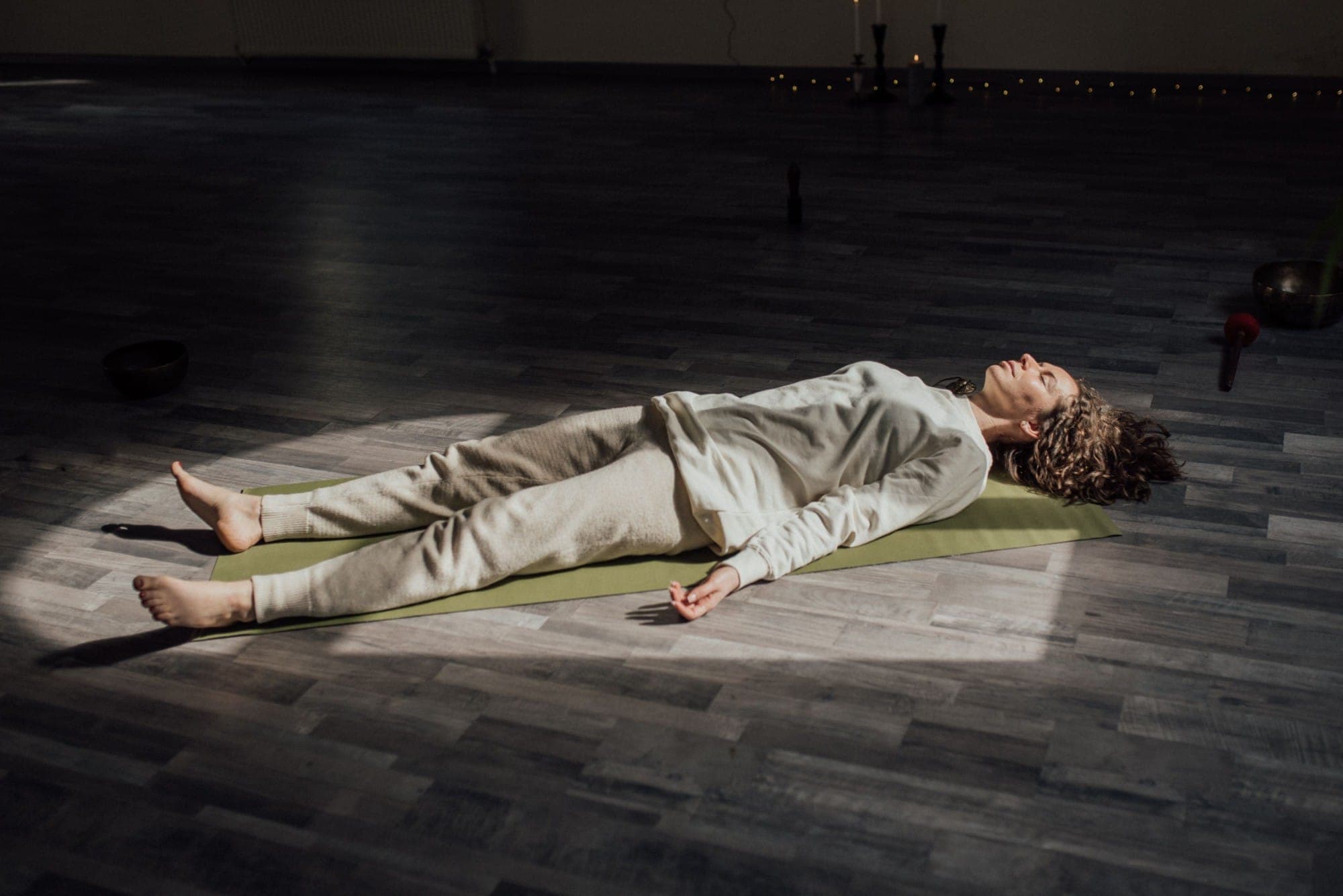
Yoga Nidra is not sleep, and it is not a long final relaxation. In the tradition it is a systematic practice with a sequence, a purpose and a method, and it asks you to stay awake inside deep rest.
The form most teachers now know comes from the Bihar School of Yoga, founded in 1963, and from Swami Satyananda Saraswati, who systematised the practice in his book Yoga Nidra. Most classes borrow a fragment of it: a body scan at the end, a script read from a phone. This course teaches the whole method.
Over three weekends you will study it in order. We begin with pratyahara, the drawing of the senses inward, and with sankalpa, a short resolve made in the present tense at the start and again at the end. We follow the practice through to the careful return to waking awareness. Alongside this we read what modern research says about stress, sleep and the nervous system, and where that evidence stops.
You will leave with a personal practice, a script you have written yourself, and the experience of guiding others through Yoga Nidra while being observed.
Most teachers can read a script. This course is for learning why each line is there.
02
Who it is for
- Qualified yoga teachers who want to add a complete Yoga Nidra practice to their classes, workshops or one-to-one work.
- Teacher trainees who have begun a 200-hour training and want depth in one subject.
- Experienced practitioners with a steady personal practice, who want to study the method properly.
It is a teaching course. It is not a clinical or therapeutic qualification, and it does not prepare anyone to treat medical or psychological conditions.
03
What you will learn
- 01Where systematic Yoga Nidra comes from, and the principles behind it, including pratyahara and sankalpa.
- 02How to guide the stages of a traditional Bihar-style practice, with pacing and language suited to the group.
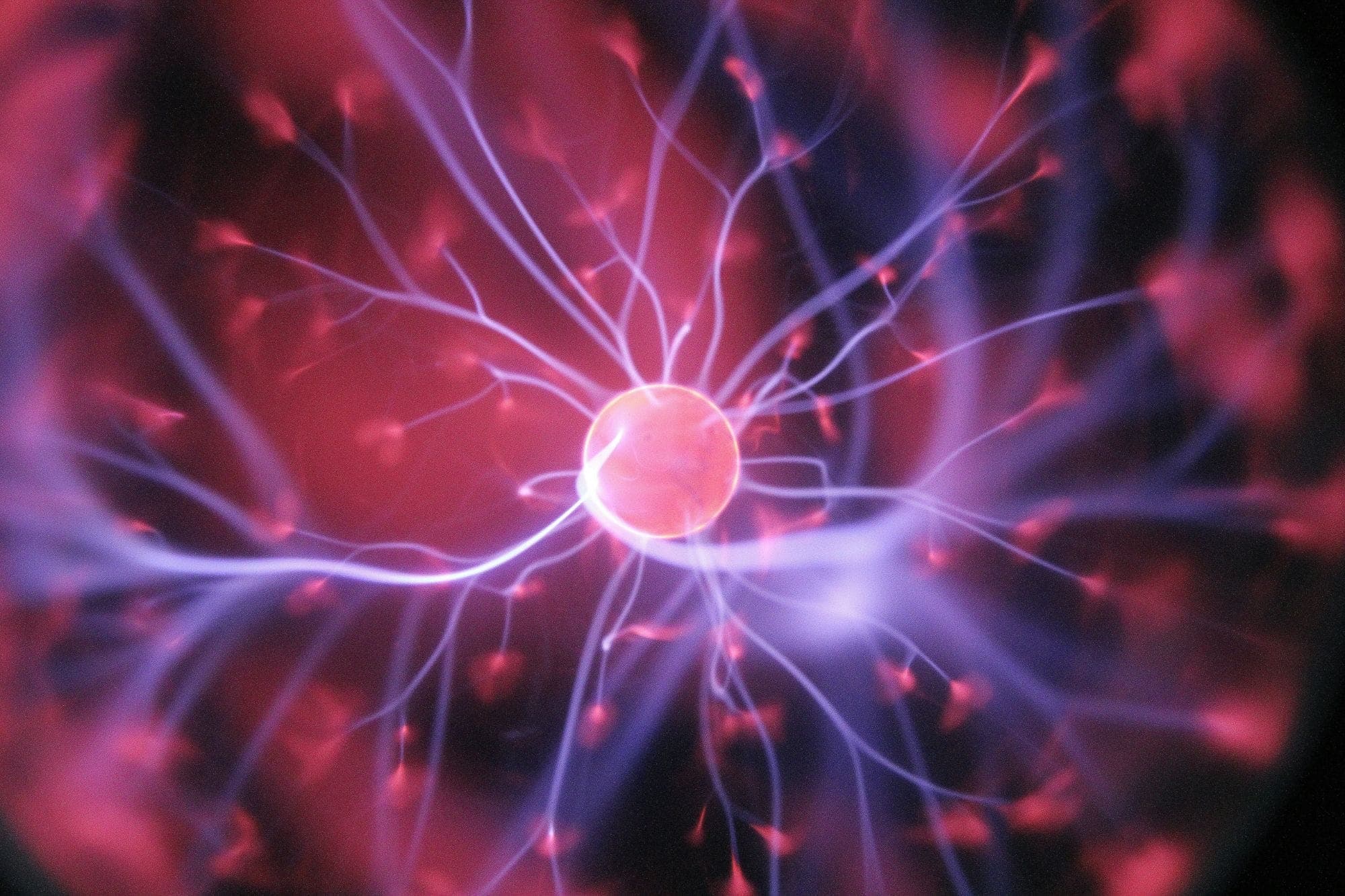
- 03The stress response, the autonomic nervous system and the stages of sleep, and where the evidence is limited.
- 04How Yoga Nidra differs from NSDR, body scans, progressive muscle relaxation and guided imagery.
- 05How to adapt resting positions, and facilitate with consent and sensitivity to trauma.
- 06How to write an original script and teach it with confidence, safely and in your own voice.
04
Curriculum
Where Yoga Nidra comes from, the Bihar School of Yoga, Swami Satyananda, and pratyahara, the drawing inward of the senses.
The Mandukya Upanishad and the states of consciousness, the five koshas (the sheaths of the self), and sankalpa.
Preparation, sankalpa, rotation of consciousness, breath, opposites, visualisation and externalisation.
Basic brain structure, the autonomic nervous system, the vagus nerve and the stress response.
Sleep cycles, EEG and brain rhythms, attention, and the limits of the evidence.
NSDR, body scans, progressive muscle relaxation and guided imagery.
Rest and sleep, accessibility, trauma-informed choices, and what can and cannot be claimed.
Voice, pacing, silence, sequencing and script writing.
Practice sessions, observation, feedback and the final teaching assessment.
Reading, practice journal, reflection and script development.
05
Format and assessment
Three weekends in person, in North Wales, from 12pm to 6pm each day. Between weekends you read, practise and write.
You will keep a practice journal, write an original Yoga Nidra script, complete a short knowledge assessment, and teach a session that is observed and given written feedback.
Successful completion brings the Avana Yoga Certificate of Successful Completion.
The training is recognised by Yoga Alliance for continuing education (YACEP) hours.
06
How we teach it
Traditional Yoga Nidra in the Bihar and Satyananda lineage is the heart of this course. Everything else is studied in relation to it.
Science sits alongside the tradition. We study the nervous system, sleep and research methods so that you can speak accurately and read studies with care. It is not offered as proof of classical claims about consciousness.
NSDR, Non-Sleep Deep Rest, is a contemporary term for deliberate rest practices. We compare it with Yoga Nidra and are clear about where they differ.
We do not say that Yoga Nidra cures or treats trauma, insomnia, anxiety or any other condition. We describe what the tradition holds, what practitioners commonly report, and what research does and does not show.
Avana Yoga is not affiliated with, endorsed by or certified by the Bihar School of Yoga, iRest or any other named institution. We study and credit their published work, and the course is taught under Avana Yoga’s own name.
07
Dates, venue and fee
Register your interest and we will email you as soon as the dates are confirmed.
08Questions
Frequently asked questions
The course is designed for yoga teachers, trainees and experienced practitioners. Full entry requirements will be confirmed when the dates are announced.
Through a practice journal, an original script, a short knowledge assessment and an observed teaching session. Each is marked against clear criteria shared at the start.
Yes. Trainees who meet the entry requirements and pass the assessment receive the Avana Yoga Certificate of Successful Completion. The training is recognised by Yoga Alliance for continuing education (YACEP) hours.
No. The course teaches Yoga Nidra as a yoga practice. It does not claim that Yoga Nidra treats or cures any medical or psychological condition, and it does not prepare you to offer clinical care.
No. It is taught in person, in North Wales.


Yoga Nidra Teacher Training
Yoga Nidra rewards the teacher who knows what each stage is for.
Dates, venue and fees will be shared as soon as they are confirmed.